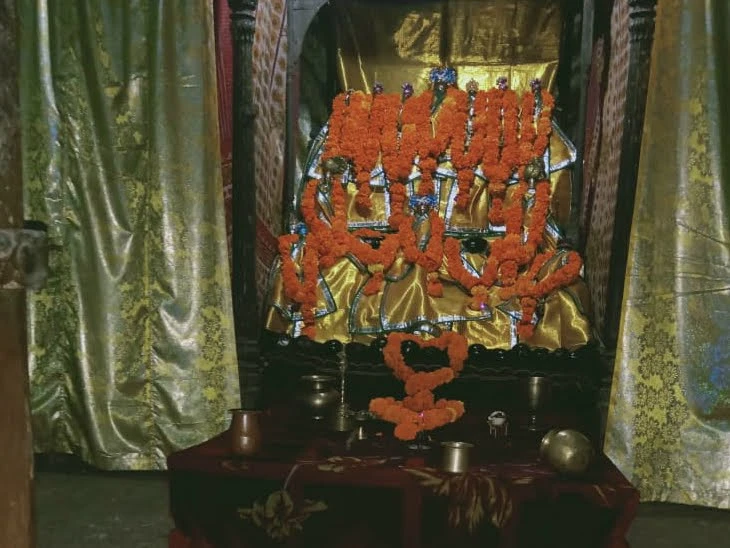
Treta Ke Thakur Temple - Ayodhya
A historic Lord Rama temple near the Saryu River, famous for its ancient black-stone idols and association with Lord Rama's Ashwamedha Yajna.
Key Highlights
About Treta Ke Thakur Temple
Treta Ke Thakur is associated with the tradition of Lord Ram’s Ashvamedha sacrifice in Ayodhya. It belongs to the city’s smaller religious stops, where access needs more careful checking than at the major daily pilgrimage centres. Plan it as a specific temple visit rather than an automatic stop on a riverfront walk.
What to expect
Descriptions of this shrine often mention special festival openings. That is a reason to verify access with the caretaker, not a reason to promise daily interior darshan. If the shrine is closed, an exterior look should be described honestly as an exterior visit.
How to fit it into your Ayodhya visit
Keep Treta Ke Thakur with your old-Ayodhya and riverfront plans, but confirm the opening before travelling across the city especially for it. Do not substitute another similarly named Ram shrine without telling your group.
Visiting with family
A temple visit is easier when everyone knows where to leave footwear and where to meet afterwards. Carry the essentials, keep the queue moving and ask an attendant before entering a side shrine. If someone needs a rest, agree a meeting point before the group separates. A nearby road does not guarantee a vehicle can reach the final entrance. For older travellers, discuss the walking surface, steps and waiting time before settling the order of the day.
Time, access and practical planning
Allow 20-40 minutes if access is available as a planning estimate, with additional time for the journey from your hotel. Restricted or occasion-based access; confirm with the caretaker before visiting. Confirm current entry arrangements; optional offerings or services cost separately. Before setting out, confirm the final approach and return meeting point with your driver or companion. Keep one flexible part of the day so that a longer queue, a closed room or a change in the weather does not force the rest of your visit into a rush.
Reference: Visitor and background information. Editorial review: 22 October 2026. Local notices take precedence over published schedules.
Travel Tips
Packages Including Treta Ke Thakur Temple



Nearby Places in Ayodhya


Frequently Asked Questions
What is Treta Ke Thakur Temple known for?
Treta Ke Thakur is associated with the tradition of Lord Ram’s Ashvamedha sacrifice in Ayodhya. It belongs to the city’s smaller religious stops, where access needs more careful checking than at the major daily pilgrimage centres. Plan it as a specific temple visit rather than an automatic stop on a riverfront walk.
Where is Treta Ke Thakur Temple?
The visitor area is Ayodhya; confirm the Treta Ke Thakur entrance locally. Use the full attraction name and city when arranging transport. If a map search offers several results, check the neighbourhood and entrance rather than choosing the first similarly named listing.
Can I expect daily interior darshan at Treta Ke Thakur?
Do not assume it. This temple is known for restricted or occasion-based access in visitor accounts. Confirm the intended date with the caretaker or local tourism office. If access is unavailable, retain the stop only as an exterior visit.
How much time should I allow for Treta Ke Thakur Temple?
A useful allowance is 20-40 minutes if access is available. This is a suggested visit duration, not a guaranteed completion time. Add your transfer and any queue or entry checks, and avoid placing a non-flexible departure immediately afterwards.
When is the best time to visit Treta Ke Thakur Temple?
October to March; choose cooler morning or late-afternoon hours. For an outdoor approach, the heat matters as much as the clock. Check the venue’s opening window first, then choose the more comfortable part of the day for your group.
What are the opening or visiting arrangements?
Restricted or occasion-based access; confirm with the caretaker before visiting. Check the latest notice for your date. Festival arrangements, maintenance or special programmes may change the usual access, and a published closing time may not be the last admission time.
What should I budget for entry and optional services?
Confirm current entry arrangements; optional offerings or services cost separately. Ask what the quoted amount covers before paying. Keep entry, transport, guides and any optional religious or visitor service separate in your budget so that an extra charge does not come as a surprise.
How should I combine Treta Ke Thakur Temple with nearby sightseeing?
Keep Treta Ke Thakur with your old-Ayodhya and riverfront plans, but confirm the opening before travelling across the city especially for it. Do not substitute another similarly named Ram shrine without telling your group.
Can older visitors or people with limited mobility visit?
Steps, queues and footwear arrangements vary. Ask about the actual accessible entrance before bringing a wheelchair; do not assume that nearby vehicle access means a step-free route to the shrine.
What should I know about photography?
Follow the instructions displayed at the entrance and ask before photographing worship, people or interiors. A camera allowed in an outdoor area may still be restricted inside. Avoid flash where prohibited and never block a queue or path for a photograph.
What should I check before leaving my hotel?
Confirm the correct destination, current access, final drop-off and return meeting point. Do not assume it. This temple is known for restricted or occasion-based access in visitor accounts. Confirm the intended date with the caretaker or local tourism office. If access is unavailable, retain the stop only as an exterior visit.
Is Treta Ke Thakur Temple suitable for a short city visit?
It can fit if you allow 20-40 minutes if access is available and the transfer without rushing. Keep Treta Ke Thakur with your old-Ayodhya and riverfront plans, but confirm the opening before travelling across the city especially for it. Do not substitute another similarly named Ram shrine without telling your group. Choose the stops that interest your group most, rather than trying to cover every name on a list in one outing.