Guptar Ghat - Ayodhya
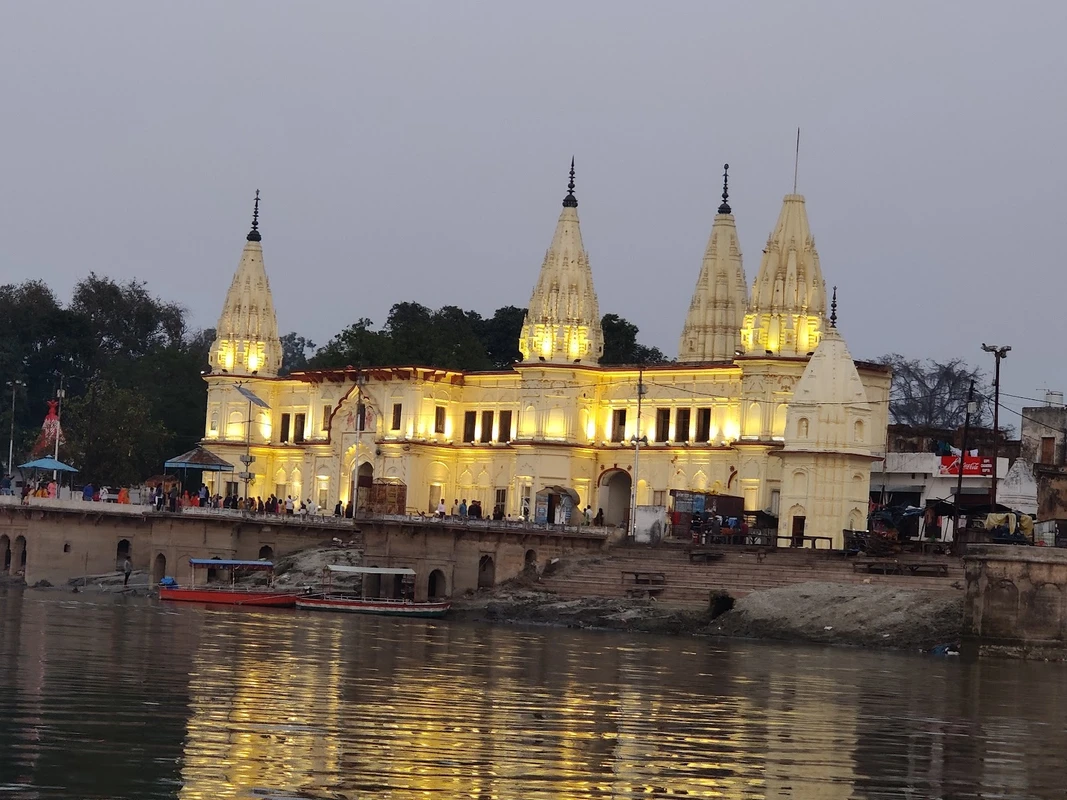
A sacred riverside ghat in Ayodhya, believed to be the place where Lord Rama took Jal Samadhi, famous for its peaceful surroundings and spiritual significance.
Key Highlights

About Guptar Ghat
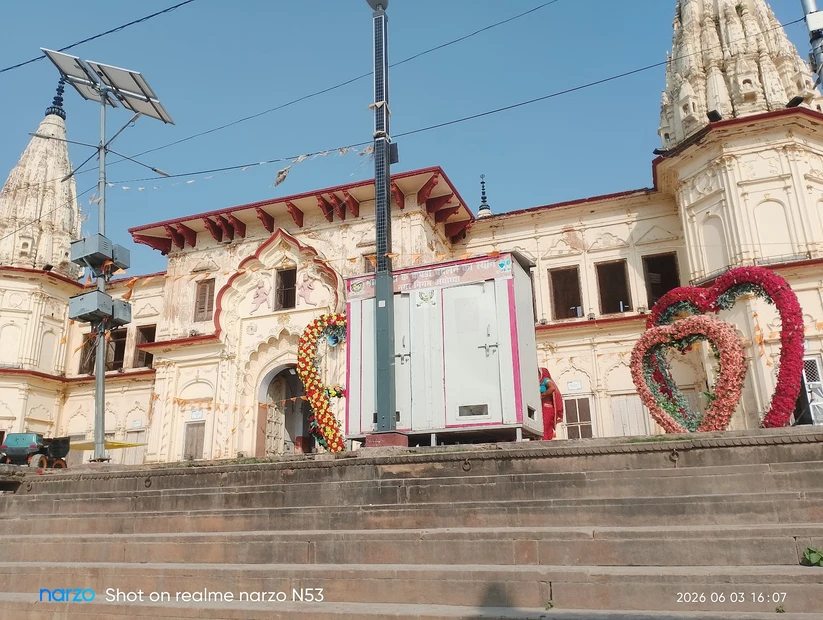
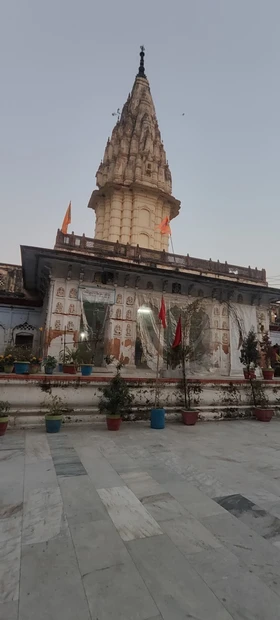
Guptar Ghat is a Saryu riverfront stop on the Faizabad side of Ayodhya. Hindu tradition connects it with Lord Ram’s departure from earthly life. It deserves its own journey from the central temple area, rather than being treated as another name for the Naya Ghat riverfront.
What to expect
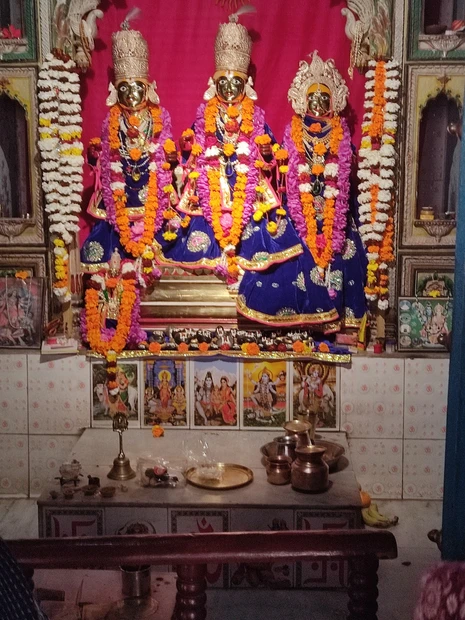
The appeal is the setting beside the river and the devotional associations of the adjoining shrines. Allow time to walk at a comfortable pace and sit where access is permitted. River level and local works can change which steps are usable; a photograph from another season is not a reliable guide to the water’s edge.
How to fit it into your Ayodhya visit
Give Guptar Ghat a separate morning or late-afternoon slot. Combining it with every temple in central Ayodhya on the same short outing can make the day more tiring than the map suggests.
Making time for the river
Keep the riverbank visit separate from any decision to bathe or take a boat. You can spend a worthwhile hour watching the water and walking on permitted paths without adding a paid activity. Stay back from slippery edges, keep children within reach and follow barriers when the water is high. If the lowest steps are closed, choose a higher public viewpoint. Arrange the return meeting point while it is still easy to identify, especially if you intend to stay until dusk.
Time, access and practical planning
Allow 45-75 minutes plus transfers as a planning estimate, with additional time for the journey from your hotel. Prefer daylight; access may change for weather, events or local restrictions. Check any posted entry charge; transport, guides and optional activities are separate. Before setting out, confirm the final approach and return meeting point with your driver or companion. Keep one flexible part of the day so that a longer queue, a closed room or a change in the weather does not force the rest of your visit into a rush.
Reference: Visitor and background information. Editorial review: 22 October 2026. Local notices take precedence over published schedules.
Travel Tips
Packages Including Guptar Ghat




Nearby Places in Ayodhya


Frequently Asked Questions
What is Guptar Ghat known for?
Guptar Ghat is a Saryu riverfront stop on the Faizabad side of Ayodhya. Hindu tradition connects it with Lord Ram’s departure from earthly life. It deserves its own journey from the central temple area, rather than being treated as another name for the Naya Ghat riverfront.
Where is Guptar Ghat?
The visitor area is Guptar Ghat, Faizabad side, Ayodhya. Use the full attraction name and city when arranging transport. If a map search offers several results, check the neighbourhood and entrance rather than choosing the first similarly named listing.
Is Guptar Ghat close enough to treat as part of a Naya Ghat walk?
It is a separate riverfront destination on the Faizabad side, so plan a road transfer. Confirm the drop-off and return pickup with your driver. It should not be confused with Ram Ki Paidi or the central Saryu aarti stop.
How much time should I allow for Guptar Ghat?
A useful allowance is 45-75 minutes plus transfers. This is a suggested visit duration, not a guaranteed completion time. Add your transfer and any queue or entry checks, and avoid placing a non-flexible departure immediately afterwards.
When is the best time to visit Guptar Ghat?
October to March; choose cooler morning or late-afternoon hours. For an outdoor approach, the heat matters as much as the clock. Check the venue’s opening window first, then choose the more comfortable part of the day for your group.
What are the opening or visiting arrangements?
Prefer daylight; access may change for weather, events or local restrictions. Check the latest notice for your date. Festival arrangements, maintenance or special programmes may change the usual access, and a published closing time may not be the last admission time.
What should I budget for entry and optional services?
Check any posted entry charge; transport, guides and optional activities are separate. Ask what the quoted amount covers before paying. Keep entry, transport, guides and any optional religious or visitor service separate in your budget so that an extra charge does not come as a surprise.
How should I combine Guptar Ghat with nearby sightseeing?
Give Guptar Ghat a separate morning or late-afternoon slot. Combining it with every temple in central Ayodhya on the same short outing can make the day more tiring than the map suggests.
Can older visitors or people with limited mobility visit?
The upper public paths may be easier than the steps down to the water. Check the surface and barriers on arrival, and choose a viewpoint that does not require a difficult descent.
What should I know about photography?
Follow the instructions displayed at the entrance and ask before photographing worship, people or interiors. A camera allowed in an outdoor area may still be restricted inside. Avoid flash where prohibited and never block a queue or path for a photograph.
What should I check before leaving my hotel?
Confirm the correct destination, current access, final drop-off and return meeting point. It is a separate riverfront destination on the Faizabad side, so plan a road transfer. Confirm the drop-off and return pickup with your driver. It should not be confused with Ram Ki Paidi or the central Saryu aarti stop.
Is Guptar Ghat suitable for a short city visit?
It can fit if you allow 45-75 minutes plus transfers and the transfer without rushing. Give Guptar Ghat a separate morning or late-afternoon slot. Combining it with every temple in central Ayodhya on the same short outing can make the day more tiring than the map suggests. Choose the stops that interest your group most, rather than trying to cover every name on a list in one outing.