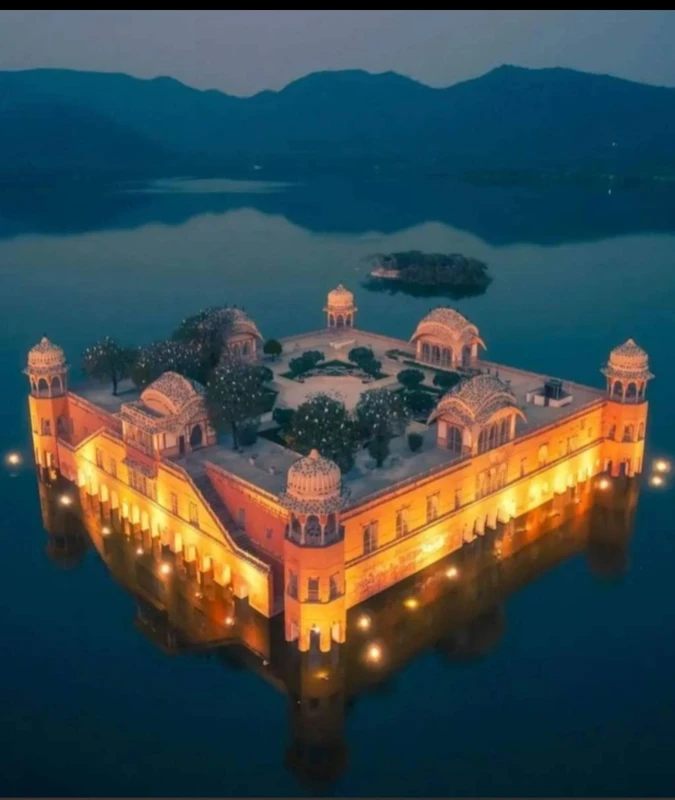
Jal Mahal - Jaipur
A stunning palace situated in the middle of Man Sagar Lake, famous for its scenic beauty, royal architecture, and picturesque views.
Key Highlights
About Jal Mahal
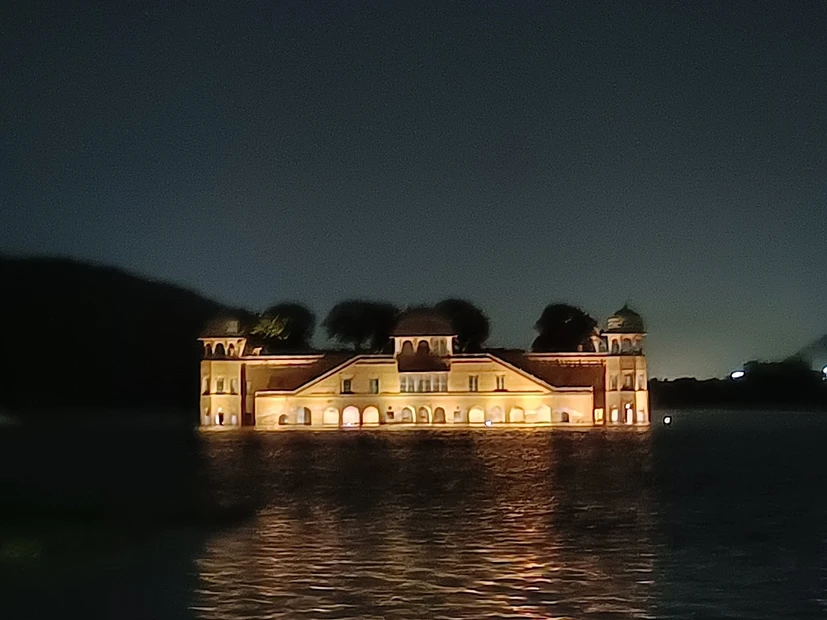
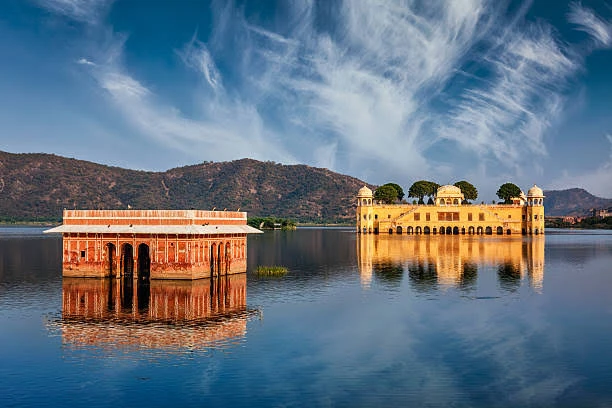
Jal Mahal is one of Jaipur's most iconic landmarks and a remarkable example of Rajput architecture. Built during the 18th century by Maharaja Madho Singh I, this beautiful palace appears to float gracefully on the waters of Man Sagar Lake. Surrounded by the Aravalli Hills, Jal Mahal creates a mesmerizing landscape that attracts photographers, nature lovers, and tourists from around the world.
Constructed using red sandstone, the palace combines Rajput and Mughal architectural styles. Interestingly, four of its five floors remain submerged underwater when the lake is full, while only the top floor is visible above the surface. This unique feature adds to the charm and mystery of the monument.
Although visitors cannot enter the palace itself, the lakeside viewpoint offers breathtaking views, especially during sunrise and sunset. Migratory birds, calm waters, and the backdrop of surrounding hills make Jal Mahal one of the most photographed attractions in Jaipur.
Travel Tips
Packages Including Jal Mahal
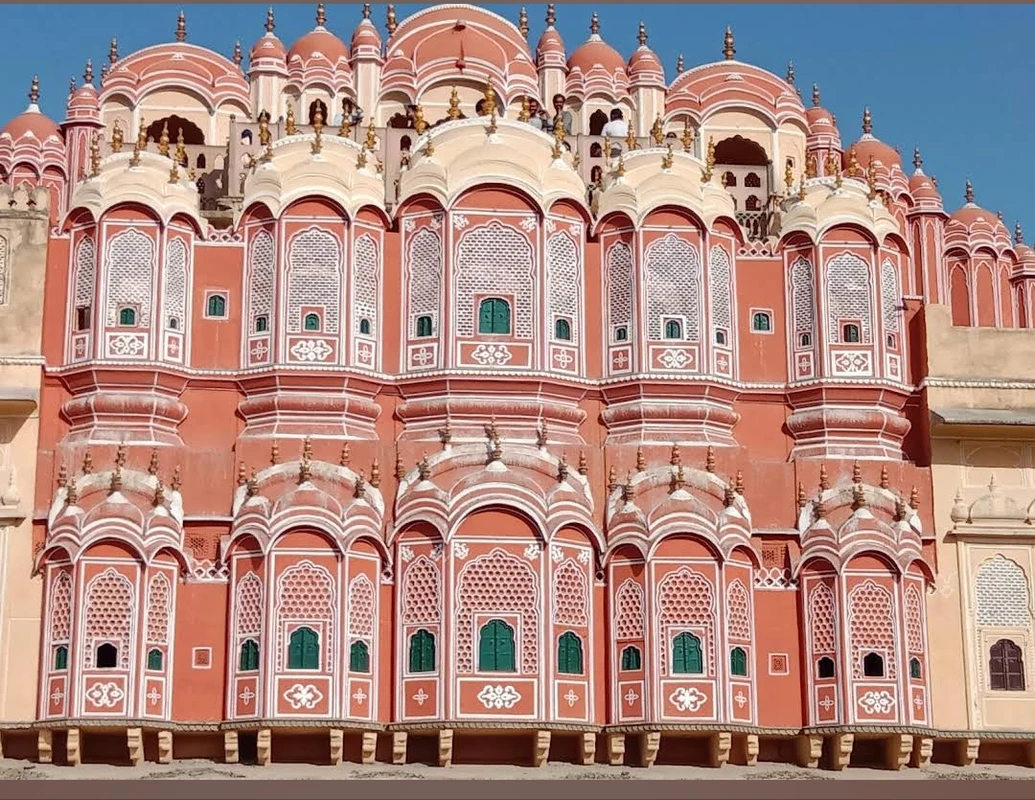
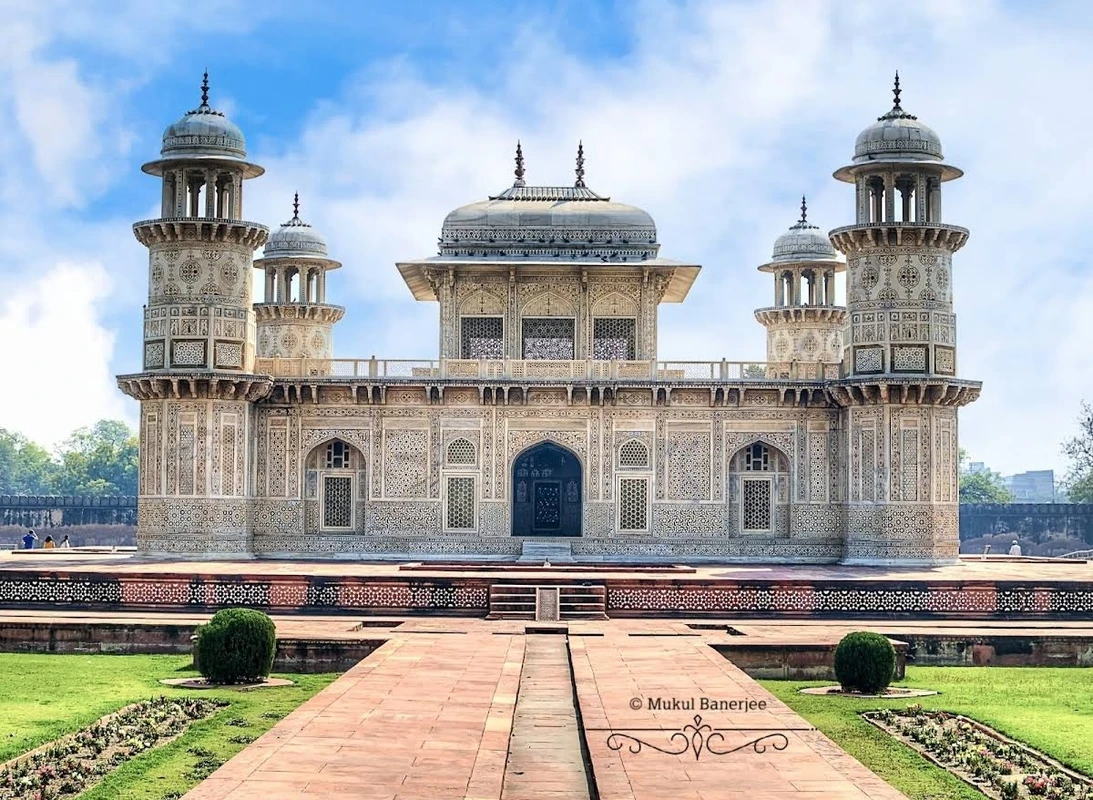
Nearby Places in Jaipur
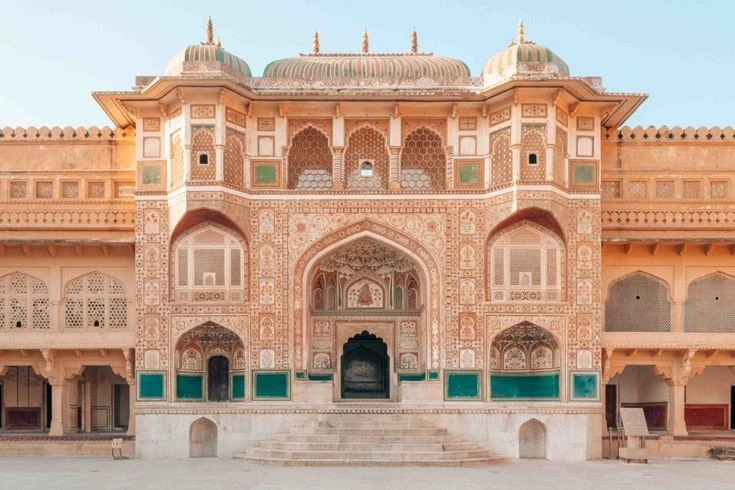
Frequently Asked Questions
Where is Jal Mahal located?
Jal Mahal is located in the middle of Man Sagar Lake on Amer Road, Jaipur.
Why is Jal Mahal famous?
It is famous for its unique location in the middle of a lake and beautiful Rajput architecture.
Can tourists enter Jal Mahal?
No, entry inside the palace is generally not allowed for tourists.
What is the best time to visit Jal Mahal?
October to March and sunset hours are considered the best time to visit.
Is there an entry fee for Jal Mahal?
No, viewing the palace from the lakeside is free.
Who built Jal Mahal?
Jal Mahal was built by Maharaja Madho Singh I.
Which nearby attractions can be visited with Jal Mahal?
Visitors often combine the trip with Amber Fort, Nahargarh Fort, Jaigarh Fort, and Hawa Mahal.