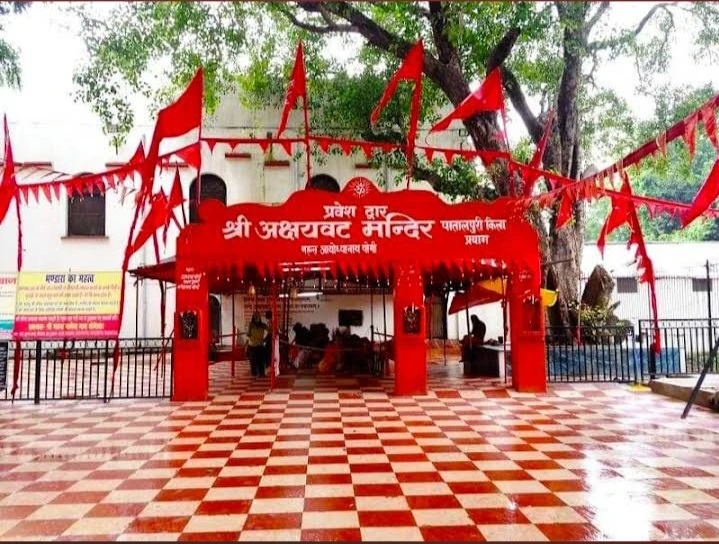
Akshayavat - Prayagraj
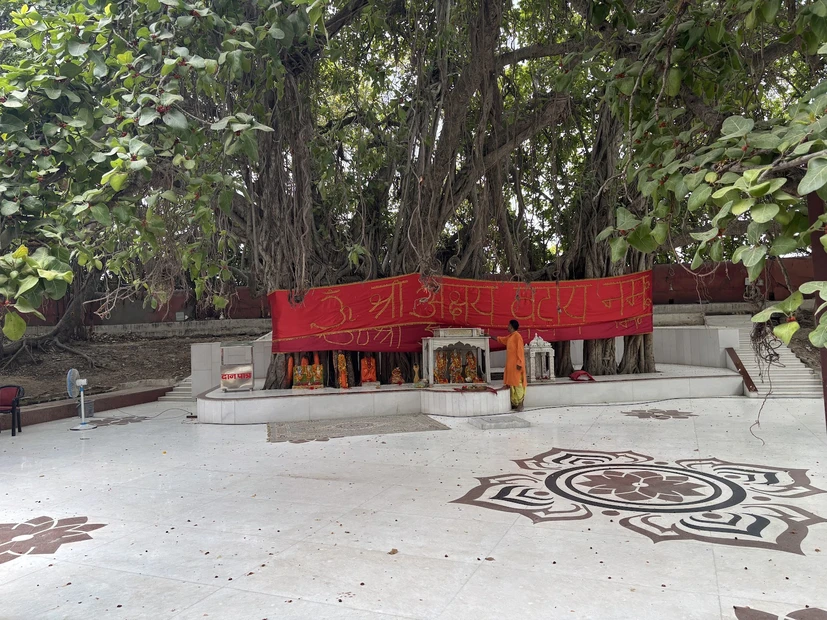
A sacred, ancient banyan tree inside Prayagraj Fort, revered for its spiritual significance, mythological legends and connection with Triveni Sangam
Key Highlights
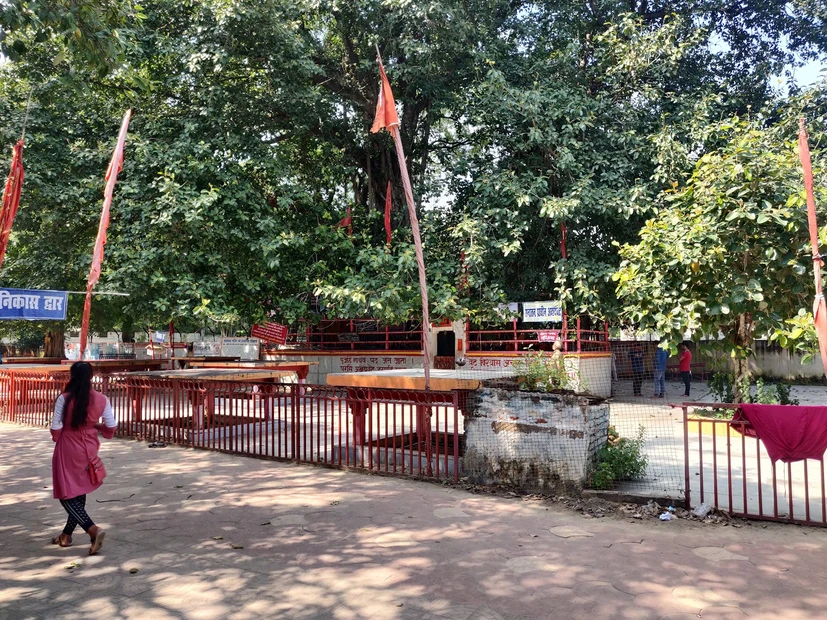
About Akshayavat
Akshayavat is the sacred tree associated with Prayagraj’s pilgrimage tradition and the fort precinct. Its religious significance lies in the idea of an enduring or imperishable tree. A visit should be planned around the currently permitted pilgrimage route rather than an assumption that the whole fort is freely accessible.
What to expect
Follow the entry signs and instructions for the dedicated visitor approach. Access to the sacred site is different from permission to explore military or restricted sections of the fort. Carry suitable identification if the current arrangements request it and keep photography within the permitted areas.
How to fit it into your Prayagraj visit
Akshayavat and Patalpuri Temple can be considered together, subject to access on the day. Combine them with the Sangam side of Prayagraj rather than making repeated journeys from the city centre.
Visiting with family
A temple visit is easier when everyone knows where to leave footwear and where to meet afterwards. Carry the essentials, keep the queue moving and ask an attendant before entering a side shrine. If someone needs a rest, agree a meeting point before the group separates. A nearby road does not guarantee a vehicle can reach the final entrance. For older travellers, discuss the walking surface, steps and waiting time before settling the order of the day.
Time, access and practical planning
Allow 30-60 minutes plus access checks as a planning estimate, with additional time for the journey from your hotel. Use the currently permitted pilgrimage route; verify access and security arrangements. Confirm current entry arrangements; optional offerings or services cost separately. Before setting out, confirm the final approach and return meeting point with your driver or companion. Keep one flexible part of the day so that a longer queue, a closed room or a change in the weather does not force the rest of your visit into a rush.
Travel Tips
Packages Including Akshayavat



Nearby Places in Prayagraj
Frequently Asked Questions
What is Akshayavat known for?
Akshayavat is the sacred tree associated with Prayagraj’s pilgrimage tradition and the fort precinct. Its religious significance lies in the idea of an enduring or imperishable tree. A visit should be planned around the currently permitted pilgrimage route rather than an assumption that the whole fort is freely accessible.
Where is Akshayavat?
The visitor area is Designated pilgrimage route in Prayagraj Fort precinct. Use the full attraction name and city when arranging transport. If a map search offers several results, check the neighbourhood and entrance rather than choosing the first similarly named listing.
Does access to Akshayavat allow a complete Prayagraj Fort tour?
No. A permitted pilgrimage route to Akshayavat does not open every part of the fort. Stay within the marked visitor route and treat any museum, military or closed sections as separate. Confirm the current entrance before setting out.
How much time should I allow for Akshayavat?
A useful allowance is 30-60 minutes plus access checks. This is a suggested visit duration, not a guaranteed completion time. Add your transfer and any queue or entry checks, and avoid placing a non-flexible departure immediately afterwards.
When is the best time to visit Akshayavat?
October to March; choose cooler morning or late-afternoon hours. For an outdoor approach, the heat matters as much as the clock. Check the venue’s opening window first, then choose the more comfortable part of the day for your group.
What are the opening or visiting arrangements?
Use the currently permitted pilgrimage route; verify access and security arrangements. Check the latest notice for your date. Festival arrangements, maintenance or special programmes may change the usual access, and a published closing time may not be the last admission time.
What should I budget for entry and optional services?
Confirm current entry arrangements; optional offerings or services cost separately. Ask what the quoted amount covers before paying. Keep entry, transport, guides and any optional religious or visitor service separate in your budget so that an extra charge does not come as a surprise.
How should I combine Akshayavat with nearby sightseeing?
Akshayavat and Patalpuri Temple can be considered together, subject to access on the day. Combine them with the Sangam side of Prayagraj rather than making repeated journeys from the city centre.
Can older visitors or people with limited mobility visit?
Steps, queues and footwear arrangements vary. Ask about the actual accessible entrance before bringing a wheelchair; do not assume that nearby vehicle access means a step-free route to the shrine.
What should I know about photography?
Follow the instructions displayed at the entrance and ask before photographing worship, people or interiors. A camera allowed in an outdoor area may still be restricted inside. Avoid flash where prohibited and never block a queue or path for a photograph.
What should I check before leaving my hotel?
Confirm the correct destination, current access, final drop-off and return meeting point. No. A permitted pilgrimage route to Akshayavat does not open every part of the fort. Stay within the marked visitor route and treat any museum, military or closed sections as separate. Confirm the current entrance before setting out.
Is Akshayavat suitable for a short city visit?
It can fit if you allow 30-60 minutes plus access checks and the transfer without rushing. Akshayavat and Patalpuri Temple can be considered together, subject to access on the day. Combine them with the Sangam side of Prayagraj rather than making repeated journeys from the city centre. Choose the stops that interest your group most, rather than trying to cover every name on a list in one outing.