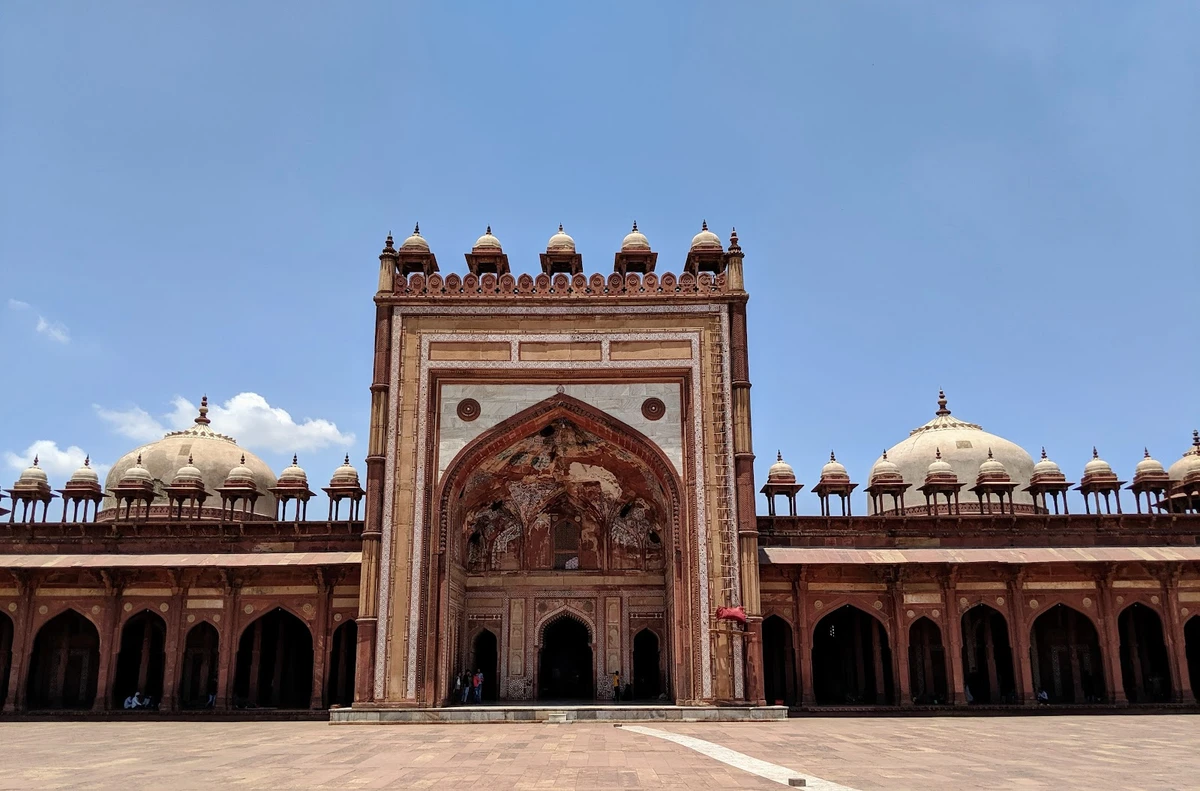
Buland Darwaza - Agra
A magnificent gateway built by Emperor Akbar, famous for its grand Mughal architecture and historical significance.
Key Highlights
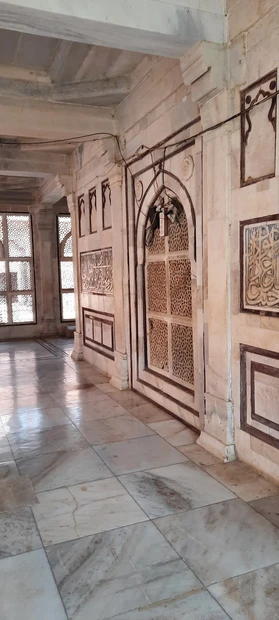
About Buland Darwaza
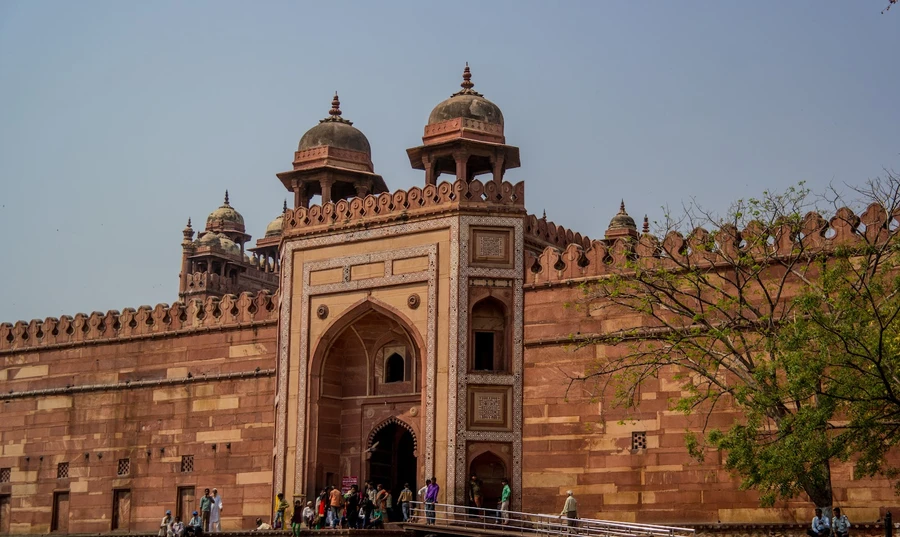
Buland Darwaza is one of the largest and most impressive gateways in the world. Located at Fatehpur Sikri, near Agra, this monumental structure was built by Mughal Emperor Akbar in 1601 to commemorate his victory over Gujarat. Standing approximately 54 meters high, the gateway dominates the skyline and serves as the grand entrance to the Jama Masjid complex.
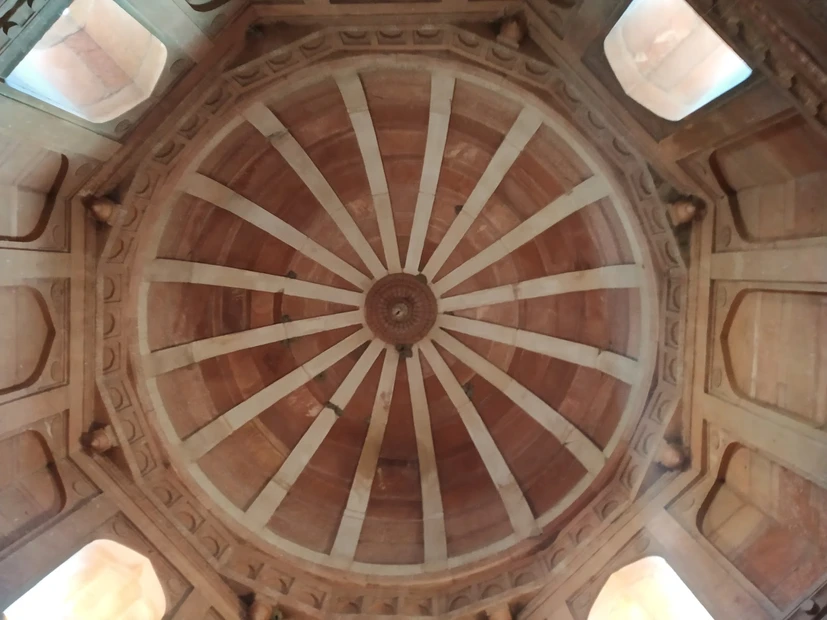
Constructed from red sandstone and decorated with white marble inlays, Buland Darwaza is a masterpiece of Mughal architecture. Its massive arches, intricate carvings, Quranic inscriptions, and symmetrical design showcase the artistic excellence of the Mughal era. Visitors must climb a series of broad stone steps to reach the gateway, where they are rewarded with panoramic views of the surrounding landscape.
The monument is not only an architectural marvel but also a symbol of Akbar's power, vision, and religious tolerance. Today, it remains one of the most visited attractions near Agra and an important part of India's cultural heritage.
Travel Tips
Packages Including Buland Darwaza
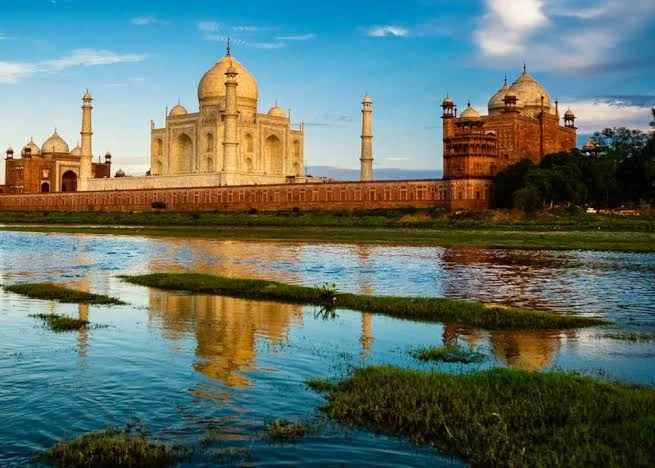
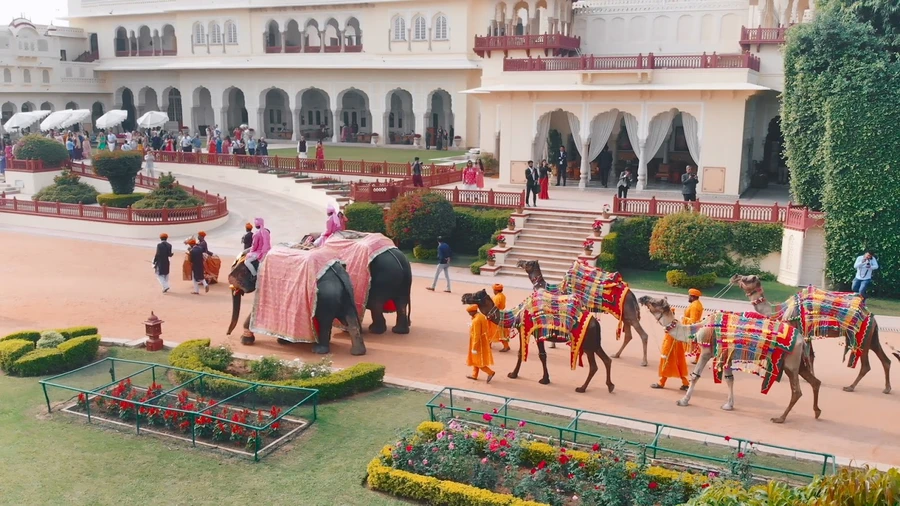
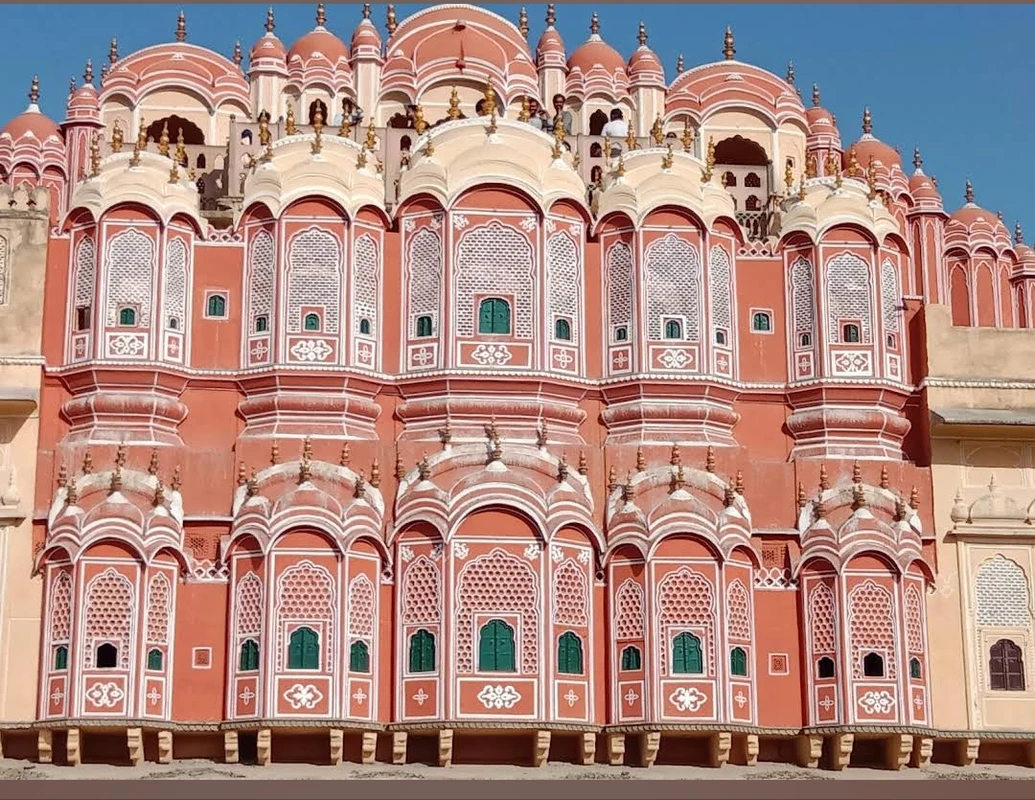
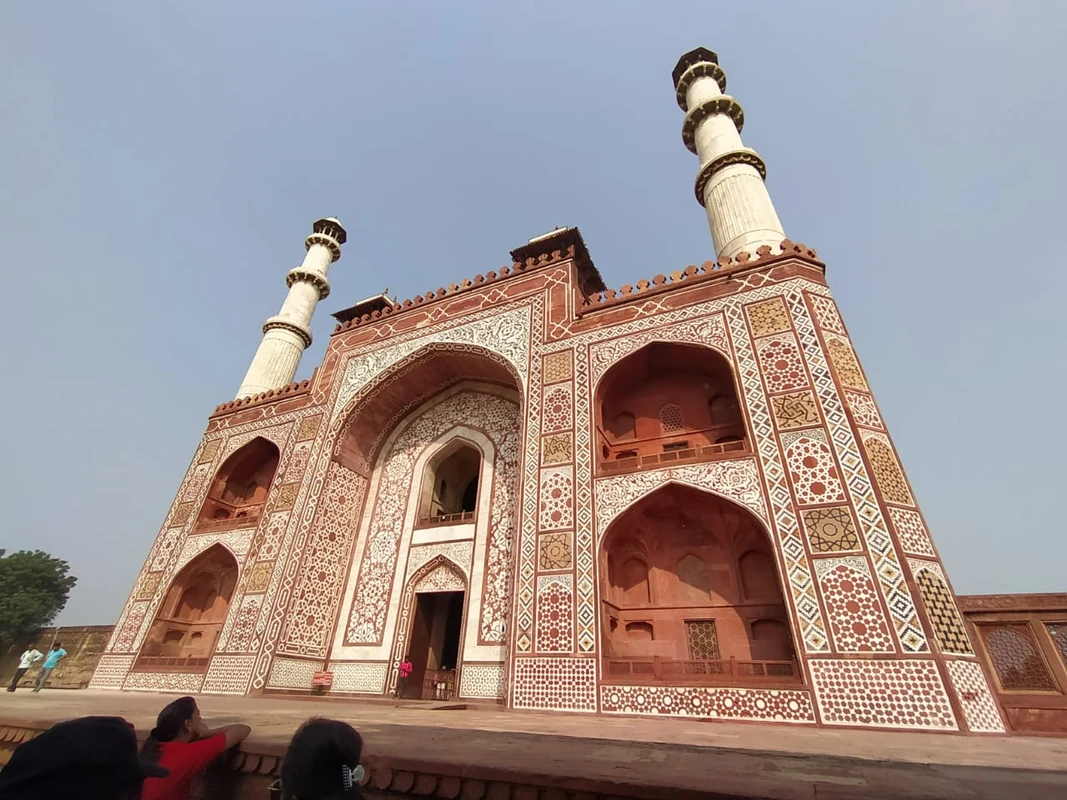
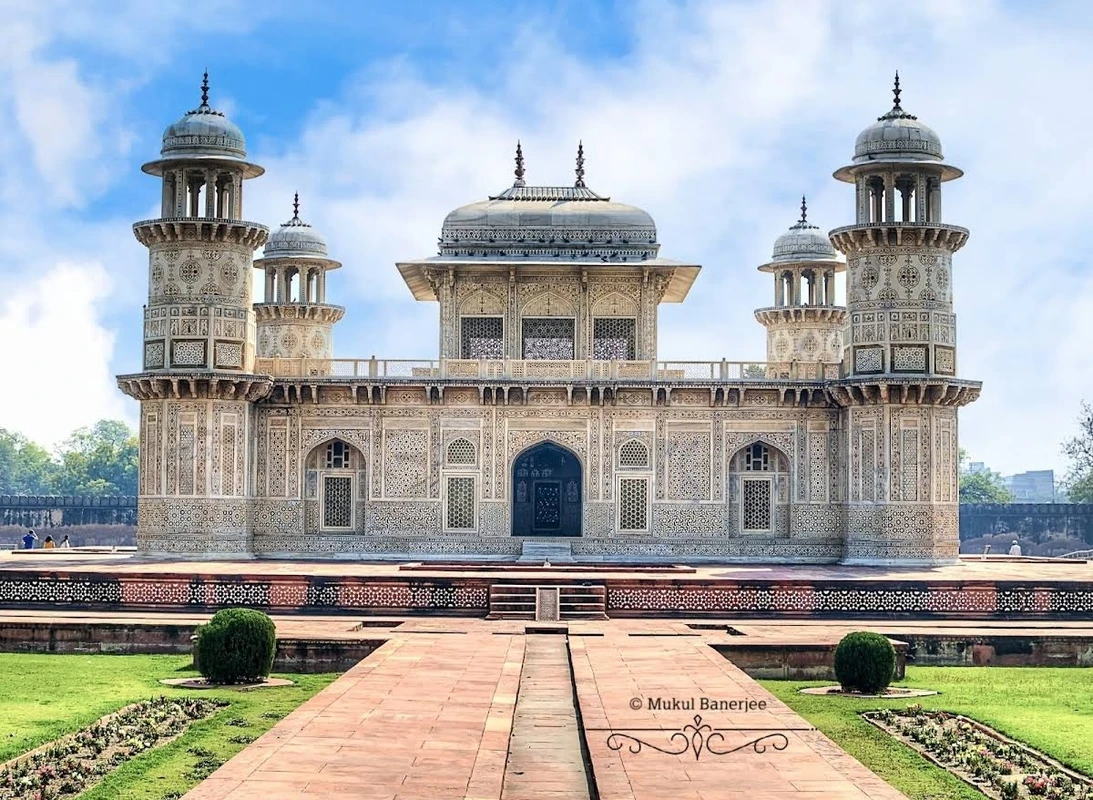
Nearby Places in Agra
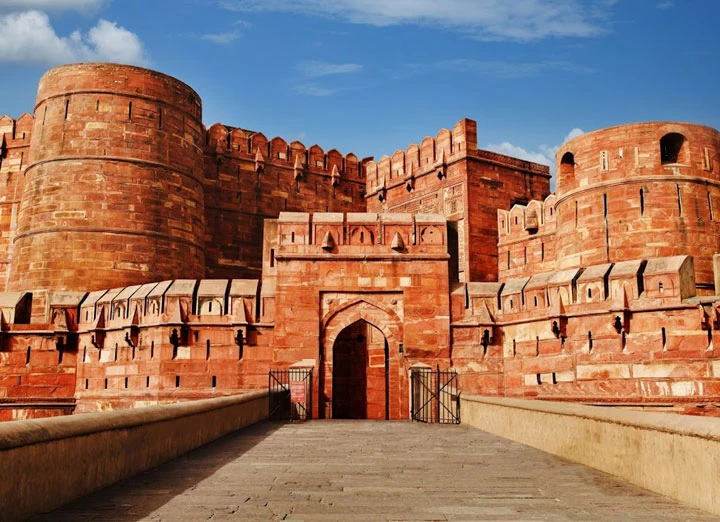
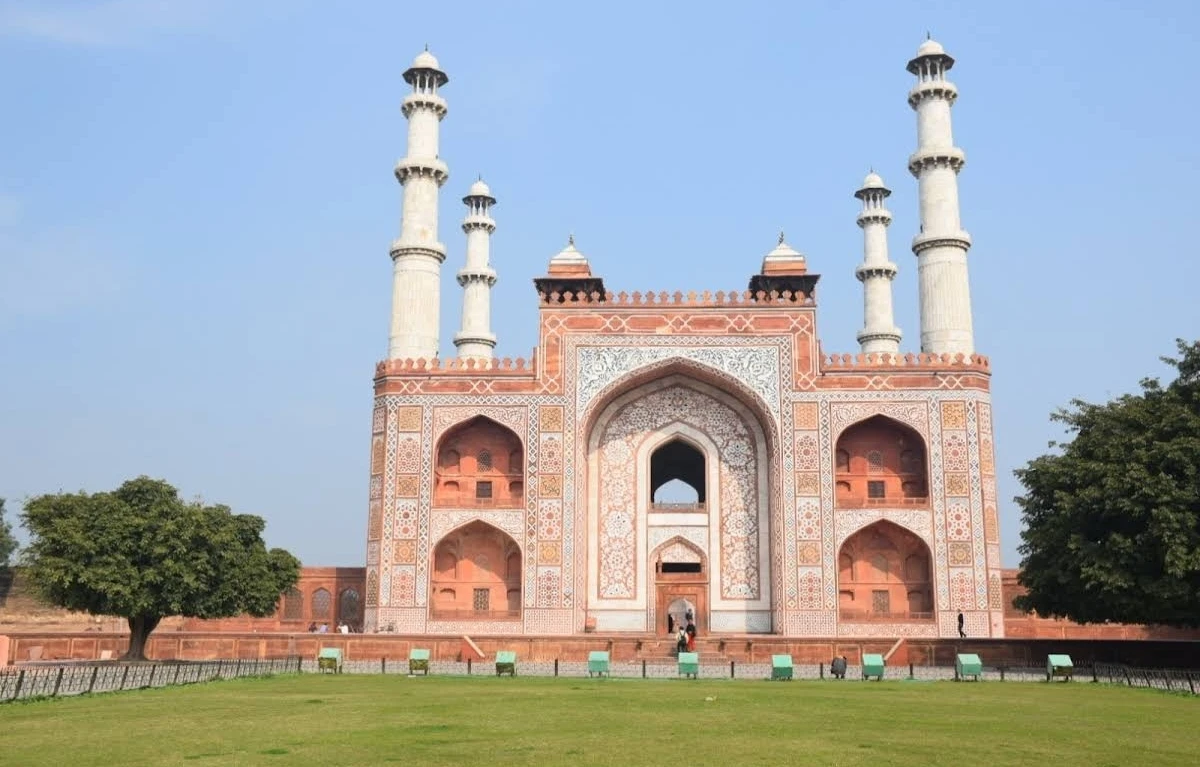
Frequently Asked Questions
Where is Buland Darwaza located?
Buland Darwaza is located in Fatehpur Sikri, about 40 km from Agra.
Who built Buland Darwaza?
It was built by Mughal Emperor Akbar.
Why is Buland Darwaza famous?
It is famous for its massive size, Mughal architecture, and historical significance.
What is the best time to visit Buland Darwaza?
October to March is considered the best time to visit.
s there a separate entry fee for Buland Darwaza?
No, it is included in the Fatehpur Sikri entry ticket.
How tall is Buland Darwaza?
The gateway stands approximately 54 meters (177 feet) high.
How much time is needed to explore Buland Darwaza?
Around 30 minutes to 1 hour is sufficient.
Which nearby attractions can be visited with Buland Darwaza?
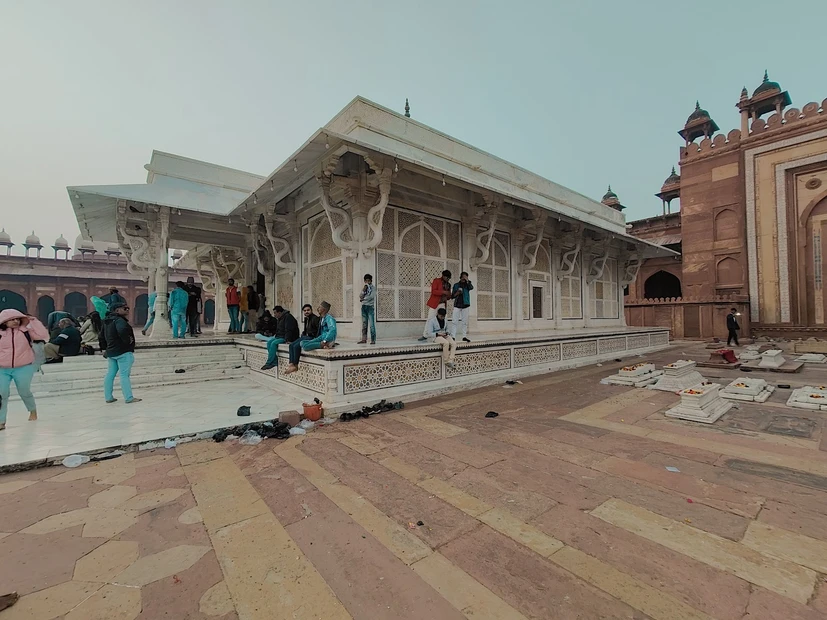
Visitors often explore Jama Masjid, Tomb of Salim Chishti, Diwan-i-Khas, and the Fatehpur Sikri Palace Complex.